
Grief Therapy in Ottawa: What It Is, When to Seek Support, and How It Can Help
Grief changes everything.
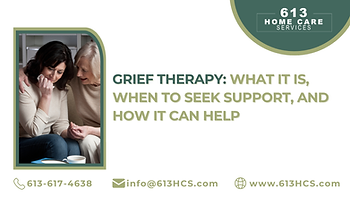
It can show up as tears and sadness, but it can also look like numbness, anger, exhaustion, anxiety, brain fog, or feeling like you are moving through life on autopilot. Many people tell us they feel pressure to “be strong” or to “move on,” especially when life keeps demanding responsibilities. But grief does not follow a timeline, and it does not respond well to being ignored.
If you are carrying loss, whether it happened recently or years ago, grief therapy can offer something many people do not realize they need until they finally have it: a safe place to tell the truth about how they are doing, without judgment, without fixing, and without being rushed.
This resource explains what grief therapy is, how it works, who it can help, and what to expect so you can decide whether support is right for you.
What is grief therapy?
Grief therapy is a type of counselling that supports people after loss. The goal is not to “get over it” or erase grief. The goal is to help you process what happened, understand what you are experiencing, and learn ways to live with the loss without feeling consumed by it.
Grief therapy can help you:
Make sense of emotions and the physical effects that grief can bring
Ease feelings of overwhelm, anxiety, or emotional exhaustion
Explore and process guilt, anger, regret, or complicated relationships
Rebuild daily routines and develop supportive coping strategies
Strengthen communication and understanding within families
Honour the person who died while continuing to move forward in life
Common myths that stop people from getting help
“I should be over this by now”
There is no “normal” timeline for grief. Some people feel functional within weeks, others feel destabilized for months, and many experience waves of grief for years. Anniversaries, holidays, and life milestones can intensify grief even after you thought you were coping well.
“Other people have it worse”
Pain is not a competition. Minimizing your grief does not make it go away. It often just makes you carry it alone.
“If I start talking, I will fall apart”
Many people fear that therapy will make grief worse. In reality, grief therapy is structured and paced. A skilled therapist helps you build stability while you process, so you are not left raw and unsupported.
“I do not want to burden anyone”
This is one of the most common reasons people delay seeking support. Many people worry about placing additional emotional weight on family or friends, or feel they should manage their grief quietly on their own.
Grief therapy offers a space where you don’t have to hold things back, minimize your feelings, or apologize for them. It is a place where your experiences, memories, and emotions can be spoken about openly and received with care.
Seeking support is not a burden. Grief is a natural response to love and loss, and having a place where you can share it can make the journey through it feel a little more supported.
What grief can look like (beyond sadness)
Grief is emotional, physical, cognitive, and social. It can affect your whole system. Some common experiences include:
Trouble sleeping, appetite changes, fatigue
Anxiety, panic, irritability, or anger
Difficulty concentrating, forgetfulness, brain fog
Feeling detached or numb
Increased sensitivity, feeling overwhelmed easily
Withdrawal from friends, loss of motivation
Feeling like life has lost meaning or direction
These symptoms do not mean you are “doing grief wrong.” They mean your body and mind are trying to adapt after loss.
When to consider grief therapy
You do not need to wait until you are in crisis.
Consider grief therapy if:
You feel stuck, numb, or unable to function the way you used to
Your grief feels as intense as day one, or it is escalating
You are avoiding reminders of the loss to get through the day
You are experiencing guilt, shame, or constant “what if” thoughts
Relationships are strained because of grief differences
You are using alcohol, work, or scrolling to avoid feelings
You feel isolated, like nobody understands
You are supporting others, but have no space for your own grief
If you are having thoughts of self-harm or feel unsafe, seek immediate support. In Canada, you can call or text 9-8-8 for the Suicide Crisis Helpline, or call 911 in an emergency.
What happens in grief therapy?
Grief therapy is not one conversation. It is a process tailored to you. Sessions often focus on a mix of:
1) Stabilizing and coping
Early work often includes sleep support, grounding strategies, and ways to reduce overwhelm. The goal is to help you feel steadier in your day-to-day life.
2) Making space for the story
Loss can be shocking, confusing, or unfinished. Therapy gives you room to talk through what happened and what it meant to you, including the parts you feel you “should not” say out loud.
3) Working through complicated emotions
Grief is rarely simple. Many people feel anger at the person who died, guilt about what they did or did not do, resentment about how others responded, or relief mixed with sadness. Grief support helps you hold all of it without judgment.
4) Rebuilding identity and meaning
Grief often changes your identity, your routines, and your worldview. Therapy can support you in rebuilding structure, making decisions, and finding meaning again, while still honouring the person or life you lost.
5) Continuing bonds and remembrance
Healthy grieving does not require “letting go.” Many approaches support maintaining a continuing bond through rituals, memories, and intentional ways of carrying the relationship forward.
Types of grief that may need extra support
Some grief experiences are especially complex and can benefit from professional care:
Traumatic grief after sudden or violent death
Complicated grief where intense symptoms persist and functioning is impaired
Anticipatory grief while someone is dying or declining
Disenfranchised grief where the loss is not socially acknowledged (ex-partner, miscarriage, estrangement, pet loss, overdose, MAiD stigma, etc.)
Caregiver grief where years of caregiving lead to burnout and identity loss, even before death occurs
If any of these resonate, grief support can help you feel less alone and more grounded.
How grief support can help families and caregivers
Grief impacts entire households. Families often grieve differently, which can cause friction. Some people want to talk. Others want to stay busy. Some feel everything immediately. Others take months to feel it.
Grief therapy can help families and caregivers:
Reduce conflict and misunderstandings
Improve communication and emotional safety
Set boundaries with extended family and obligations
Navigate practical stress like estate tasks and caregiving transitions
Process caregiver exhaustion and identity shifts
Support is not just about feelings. It is about helping life function again.
Choosing the right grief therapist or grief support
If you are looking for grief therapy in Ottawa, consider:
Do they specialize in grief, loss, trauma, or caregiver support?
Do you feel emotionally safe with them in the first conversation?
Do they offer practical tools, not just listening?
Do they understand the type of loss you experienced?
The relationship matters. If you do not feel supported after a few sessions, it is okay to find a better fit.
You deserve support that meets you where you are
Grief can make you feel like you are failing at life when you are actually doing something incredibly hard, adapting after loss. Therapy does not erase love, and it does not erase pain. But it can reduce suffering, help you breathe again, and help you carry what happened with more steadiness and support.
If you are in Ottawa and want to explore grief support, reach out. A conversation is often the first step toward feeling less alone.
Call: 613-617-4638
Email: info@613HCS.com
Visit: www.613HCS.com


Comments